Which is Better: Lightweight High Alumina Insulation Bricks or Lightweight Mullite Bricks

Insulation bricks are an essential component of high-temperature applications in industries such as glass, steel, cement, and petrochemical. They are designed to provide thermal insulation, which helps to conserve energy and improve the efficiency of the production process. Two popular types of insulation bricks are lightweight high alumina insulation bricks and mullite poly-light bricks.
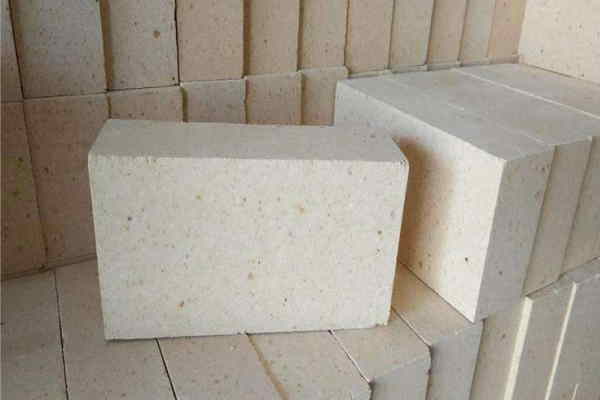
What Are Lightweight High Alumina Insulation Bricks?
Lightweight high alumina insulation bricks are made from high-purity alumina powder, which is mixed with other raw materials, including clay, and fired at high temperatures. The result is a lightweight, porous, and high-strength material that is an excellent thermal insulator.
Properties of Lightweight High Alumina Insulation Bricks
High thermal insulation
Low thermal conductivity
High refractoriness
Excellent chemical stability
Good mechanical strength
Low heat storage
What Are Lightweight Mullite Bricks?
Lightweight mullite bricks are made from a mixture of mullite and lightweight aggregate, such as expanded perlite, vermiculite, or clay. The mixture is then pressed into shape and fired at high temperatures to produce a lightweight, high-strength material.
Properties of Mullite Poly-Light Bricks
High thermal insulation
Low thermal conductivity
High refractories
Good chemical stability
Good mechanical strength
Low heat storage
Lightweight High Alumina Insulation Bricks vs. Mullite Poly-Light Bricks: Comparison
When comparing the two types of insulation bricks, there are several factors to consider, including thermal insulation, thermal conductivity, refractories, chemical stability, mechanical strength, and heat storage.
Thermal Insulation
Both lightweight high alumina insulation bricks and mullite poly-light bricks are excellent thermal insulators. They are designed to minimize heat transfer and conserve energy in high-temperature applications.
Thermal Conductivity
The thermal conductivity of a material is a measure of how well it conducts heat. Lightweight high alumina insulation bricks have a lower thermal conductivity than mullite poly-light bricks. This means that they are better at insulating against heat transfer.
Refractories
Refractories refers to the ability of a material to withstand high temperatures without degrading. Both lightweight bricks and mullite poly-light bricks have high refractories, making them suitable for use in high-temperature applications.
Chemical Stability
The chemical stability of a material is its ability to resist chemical reactions with other substances. Both lightweight high alumina bricks and mullite poly-light bricks have excellent chemical stability, which makes them ideal for use in harsh chemical environments.
Mechanical Strength
The mechanical strength of a material refers to its ability to withstand mechanical stress, such as pressure, tension, or bending. Both lightweight high alumina insulation bricks and mullite poly-light bricks have good mechanical strength.
Heat Storage
The heat storage of a material refers to its ability to store heat. Lightweight high alumina insulation bricks have a lower heat storage capacity than mullite poly-light bricks. This means that they can be heated up faster and are more energy-efficient.
Conclusion
In conclusion, both lightweight high alumina insulation bricks and mullite poly-light bricks are excellent choices for high-temperature insulation applications. They are both high-performance materials that offer excellent thermal insulation, refractoriness, chemical stability, and mechanical strength. However, when it comes to thermal conductivity and heat storage, lightweight high alumina insulation bricks are superior to mullite poly-light bricks. This means that they can provide better insulation and energy savings in high-temperature applications.
Ultimately, the choice between lightweight high alumina insulation bricks and mullite poly-light bricks depends on the specific needs of the application. Factors such as the desired level of insulation, the operating temperature, and the chemical environment should be considered when selecting the appropriate insulation brick.