Requirements for Refractory Bricks for Furnace Lining in Rotary Kilns

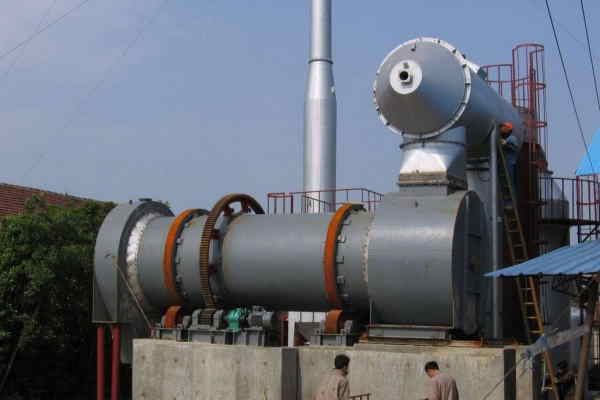
Rotary kilns are industrial furnaces used for processing materials at high temperatures. The materials move through the kiln and are heated by direct contact with hot gases or the kiln's walls.
The lining of the rotary kiln is made up of refractory bricks, which protect the kiln from the high temperatures and harsh conditions inside.
To ensure efficient and effective operation, it's crucial to use the right refractory bricks.
Introduction
The rotary kiln is an essential piece of equipment in many industries, including cement, lime, and mineral processing.
The kiln operates at extremely high temperatures and must withstand severe thermal and mechanical stresses.
Refractory bricks for rotary kiln are used to line the kiln and provide a barrier between the high-temperature gases and the kiln's shell.
The right refractory bricks can significantly impact the kiln's efficiency and longevity.
Types of Refractory Bricks
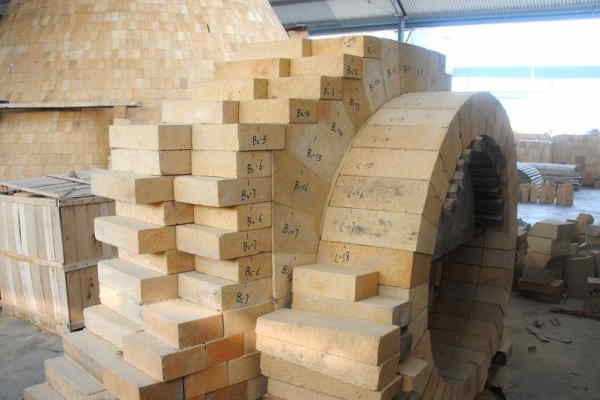
There are several types of refractory bricks that can be used for furnace lining in rotary kilns. The type of brick used will depend on the specific requirements of the kiln, including the temperature range, chemical composition of the materials being processed, and the thermal and mechanical stresses that the lining will be subjected to. Some common types of refractory bricks include:
Fireclay Bricks
Fireclay bricks are made of a mixture of clay and other materials, such as kaolin or shale. They are typically used in the lower temperature ranges of rotary kilns and are resistant to thermal shock.
High Alumina Bricks
High alumina bricks for rotary kilns are made of high-purity alumina and are used in the higher temperature ranges of rotary kilns. They are resistant to both thermal and mechanical stresses and are ideal for use in areas of the kiln that are subject to abrasion.
Magnesia Bricks
Magnesia bricks are made of magnesium oxide and are used in areas of the kiln that are subject to high temperatures and chemical corrosion. They are resistant to alkalis and are ideal for use in the burning zone of the kiln.
Refractory Brick Requirements
High Thermal Stability
The refractory bricks must have high thermal stability to withstand the extreme temperatures inside the rotary kiln.
The firebricks must not soften, melt or crack under the high heat.
High alumina bricks, magnesia bricks, and chrome bricks are commonly used because of their excellent thermal stability.
High Mechanical Strength
The refractory bricks must have high mechanical strength to resist the mechanical stresses from the material movement and weight inside the kiln.
The bricks must withstand the abrasive and erosive wear from the materials processed in the kiln. High-density bricks or dense castables with high strength are typically used.
Corrosion Resistance
The refractory bricks must have excellent corrosion resistance to withstand the corrosive chemicals generated during the material processing.
The firebrick must resist the acidic or basic environment and the reactive materials processed in the kiln.
Chrome bricks, alumina bricks, and silicon carbide bricks are commonly used for their corrosion-resistant properties.
Good Thermal Conductivity
The refractory bricks must have good thermal conductivity to transfer the heat generated inside the kiln to the material being processed.
The bricks must also have good heat retention properties to maintain the high temperatures required for the materials' processing. High alumina bricks, magnesia bricks, and silica bricks are commonly used for their good thermal conductivity.
Easy Installation
The refractory bricks must be easy to install to minimize the kiln's downtime during the replacement or repair of the lining.
The firebricks must fit precisely into the kiln's shape and be easily anchored to the kiln's shell. The installation process must be quick and efficient to reduce the impact on the kiln's production.
Conclusion
In conclusion, the requirements for refractory bricks for furnace lining in rotary kilns are complex and depend on several factors, including the temperature range, chemical composition of the materials being processed. And the thermal and mechanical stresses that the lining will be subjected to.
It is essential to choose the right type of refractory brick for the specific requirements of the kiln to ensure long-lasting and efficient operation.